





This website uses cookies so that we can provide you with the best user experience possible. Cookie information is stored in your browser and performs functions such as recognising you when you return to our website and helping our team to understand which sections of the website you find most interesting and useful.
Specialized Medical Nutrition
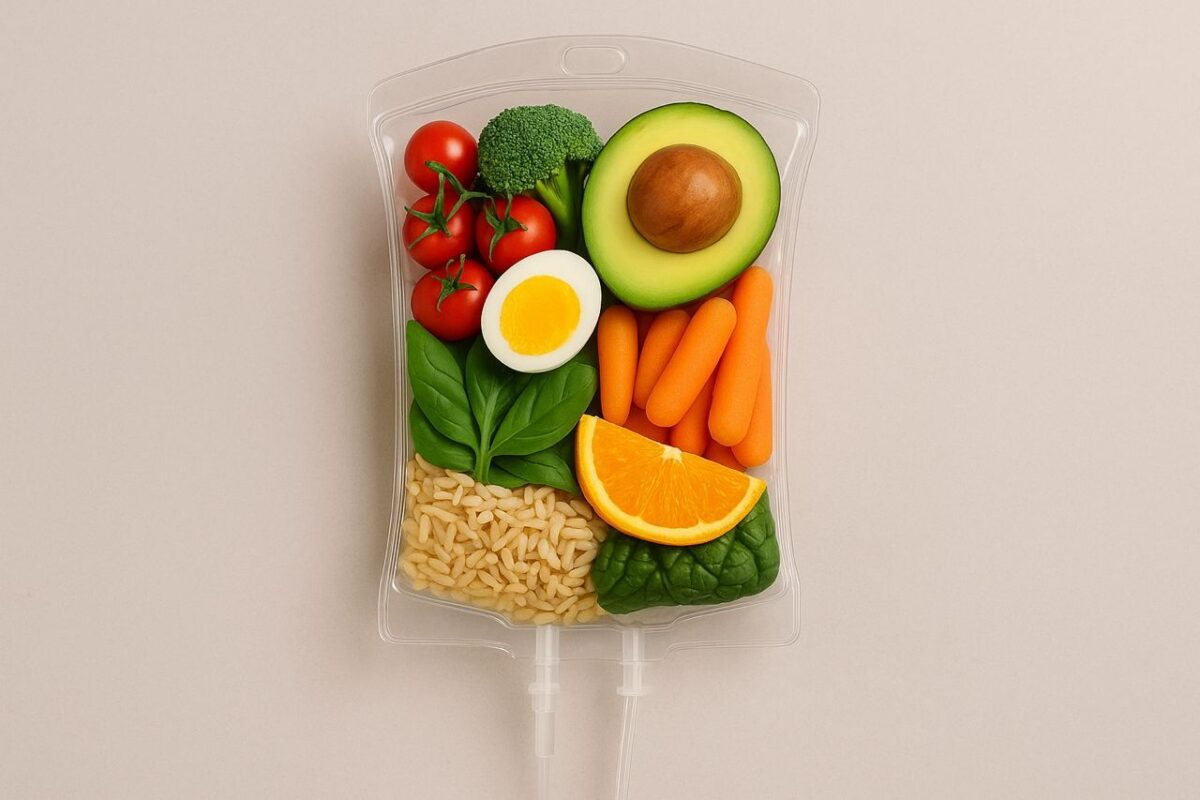
Nutrition is inseparably linked to health, and medical nutrition supports are targeted solutions for every specific nutritional need in vulnerable groups and those with illnesses and special conditions, such as digestive tract diseases, cancer, surgery care, intensive care, pediatric, and geriatric care.
Patients who are already debilitated or ill are at increased risk of malnutrition, leading to longer hospital stays, delayed recovery processes, and increased complication rates. Clinical nutrition is effective in treating malnutrition.
Medical nutrition support refers to the Enteral or Parenteral provision of calories, protein, electrolytes, vitamins, minerals, trace elements, and fluids. The optimal solutions meet quality standards so that healthcare professionals can make the right medical nutrition decision according to the patient’s individual needs and treatment goals.
Enteral Nutrition:
Enteral nutrition refers to the delivery of the necessary nutrients, vitamins, and minerals formulated to provide the recommended allowances of essential daily vitamin and mineral dose through the digestive tract, either orally or using feeding tubes. Enteral nutrition can be used for all patients with insufficient oral intake, such as lack of appetite and weight loss, and nutrient requirements due to illness, or difficulty eating to meet individual needs and treatment goals. Enteral nutrition is the most common mode of delivery for nutrition support in ill patients. The decision regarding route of delivery of enteral nutrition is determined by healthcare professional.
Parenteral Nutrition:
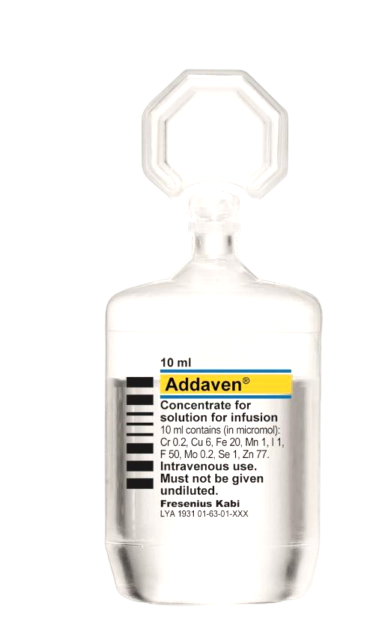
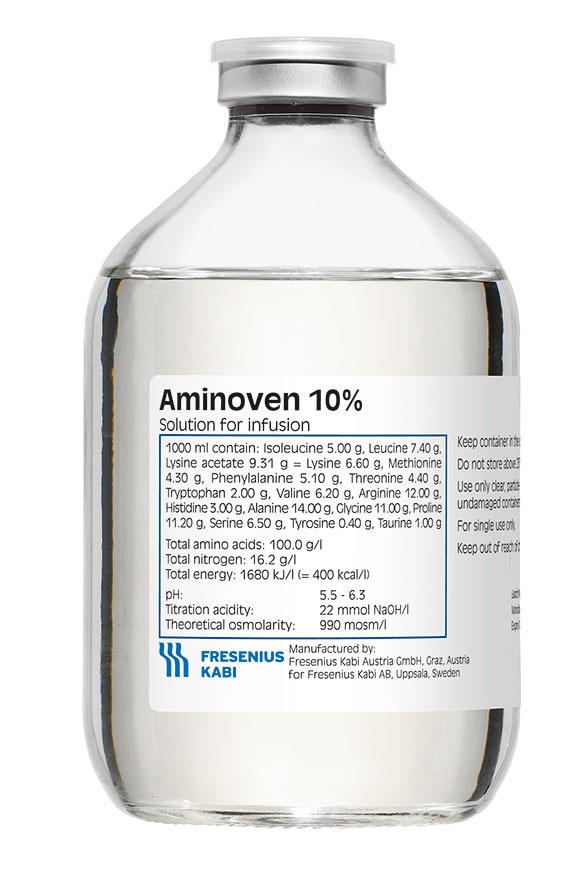
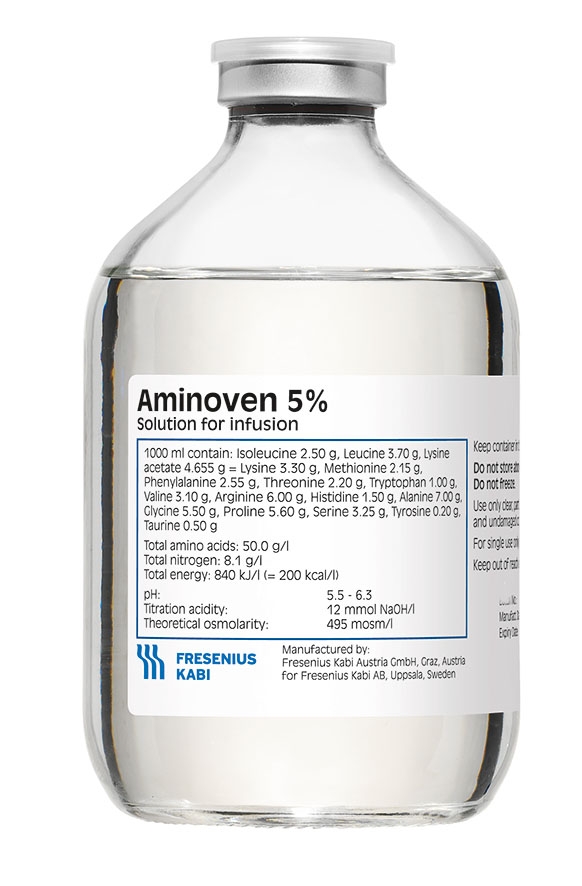
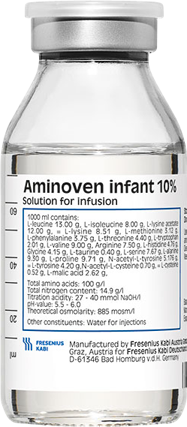
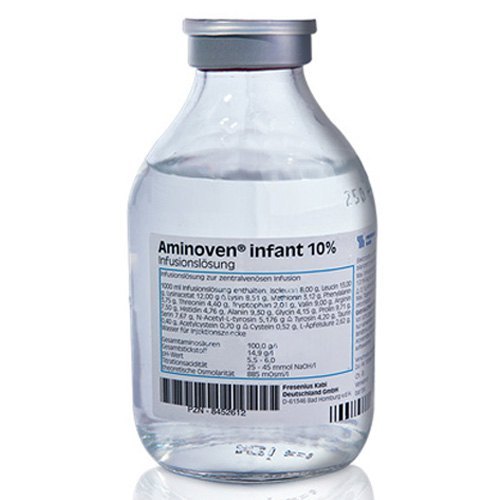
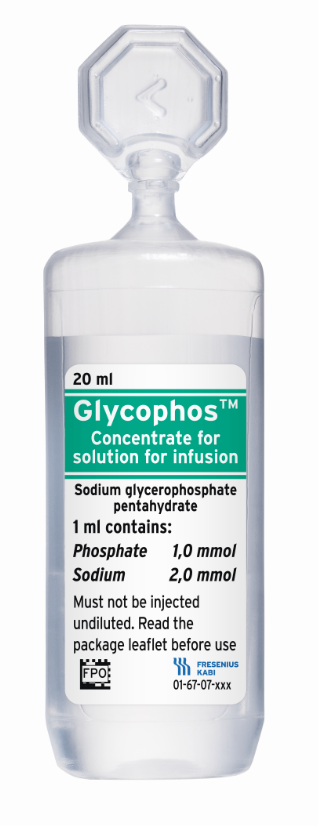
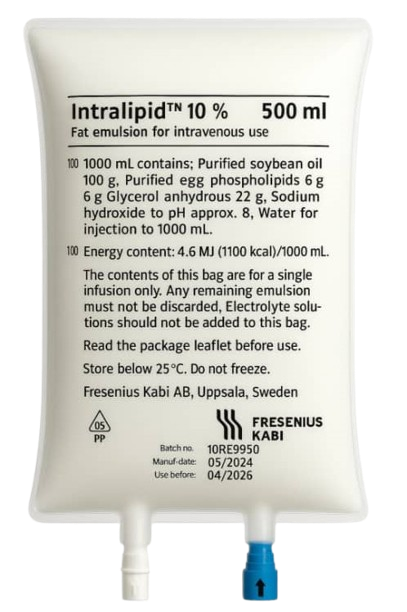
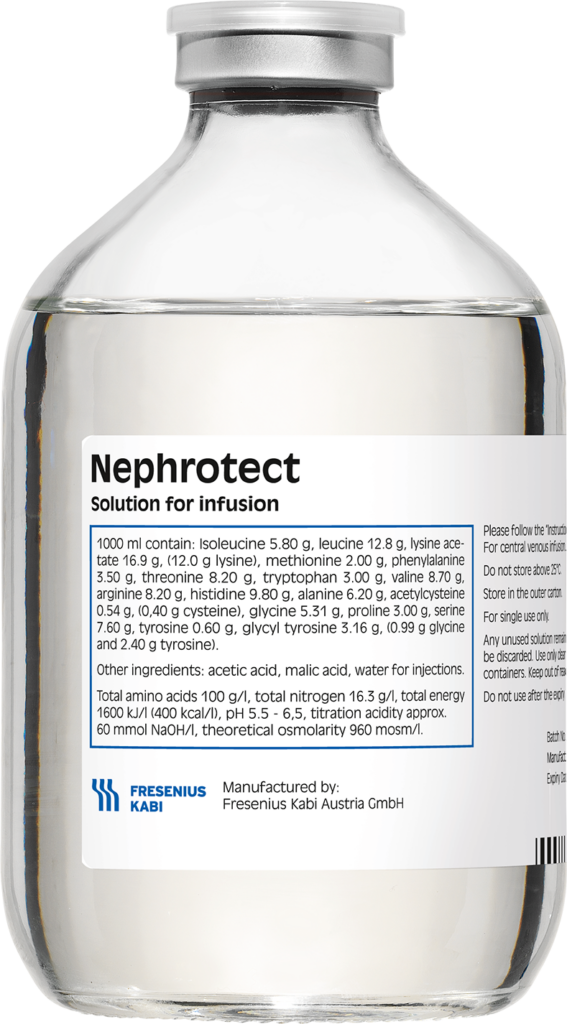
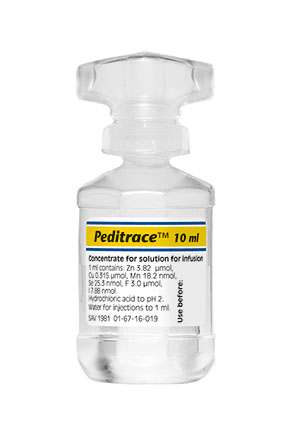
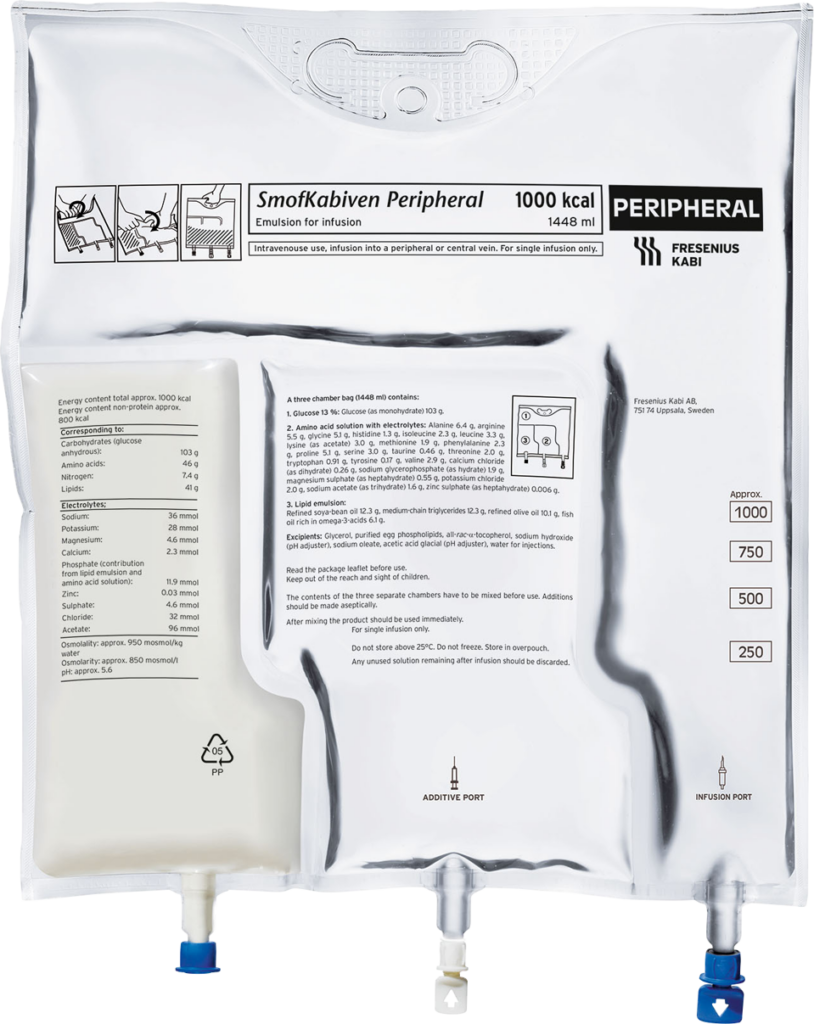
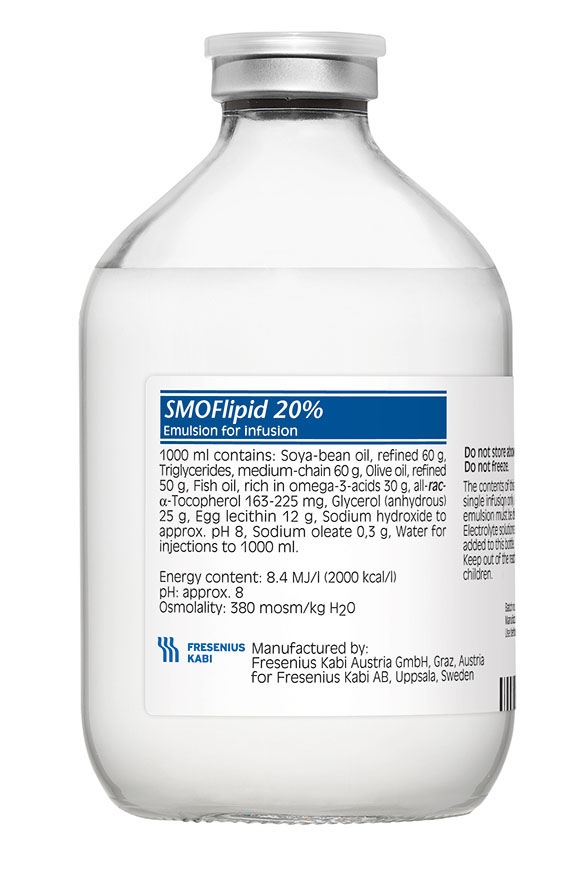
Parenteral nutrition is used in ill patients who require nutrition whereas oral or enteral nutrition is not possible, contraindicated and patient is unable to absorb or utilize sufficient nutrients through their digestive tract and must be fed parenterally via a central venous or peripheral catheter. The nutrients are administered directly into the blood stream via an intravenous infusion to ensure sufficient nutrition. This special blend of amino acids, fats, carbohydrates, vitamins, and minerals bypasses the gastrointestinal tract to meet nutritional requirements, treatment goals, and improve patient’s quality of life.
Conditions that are likely to require parenteral nutrition include:
- Impaired absorption or loss of nutrients
- Mechanical bowel obstruction
- Need to restrict oral or enteral intake
- Motility disorders
- Inability to achieve or maintain enteral access
The indication in these conditions is dependent on the patient's nutrition status, clinical condition, and whether enteral nutrition is feasible or contraindicated.
References: